
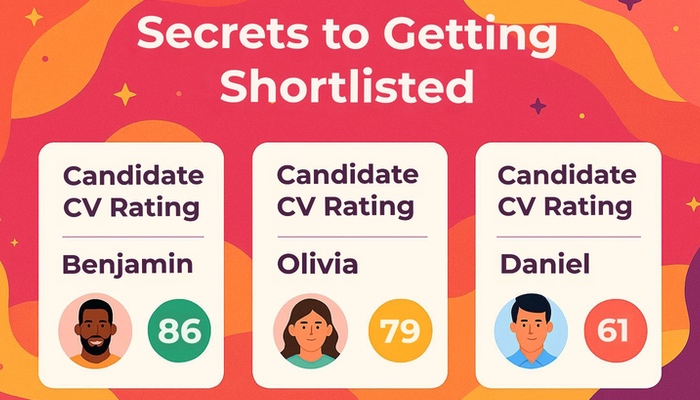
In today’s competitive job market, submitting a generic CV is rarely enough to secure an interview.
As a recruiter, one of the most common reasons candidates are overlooked for shortlisting is because their résumé does not clearly align with the specific requirements of the job they are applying for. Customising your CV for each application is no longer optional—it’s essential.
One of the secrets of the recruitment industry is the widespread use of Applicant Tracking Systems (ATS). In fact, many organisations use automated software to filter CVs before they even reach a hiring manager.
ATS systems scan applications for specific keywords taken directly from the job description. After being parsed, each candidate is then assigned a score depending on their assessed match: so if your CV doesn’t include these relevant terms, your whole application may be rejected before a human ever sees it.
Carefully reviewing the job posting and incorporating the appropriate language—whether it’s technical skills, certifications, or competencies— significantly improves your chances of passing this initial screening.
Beyond keywords, relevance is crucial. The truth is that hiring managers typically spend only a few seconds scanning each CV. This means candidates must clearly highlight their most relevant experience and skills upfront: make it easy to get your application prioritised.
Tailoring your professional summary, key achievements, and work history to match the role helps demonstrate that you are a strong fit. It’s not about rewriting your entire résumé each time, but about prioritising the information that matters most for that specific opportunity.
Presentation also plays a vital role. A well-structured, professional-looking CV creates a much stronger first impression. Clear headings, consistent formatting, and concise bullet points make it easier for both software and humans to read. Avoid clutter, overly complex designs, or excessive text—clarity and readability should always come first.
In addition, as a job-seeker, ensure you:
- Highlight measurable achievements (rather than just listing responsibilities)
- Include relevant skills that match the job description
- Keep your CV concise, ideally no longer than two pages
- Check for spelling and grammatical errors
- Use a professional tone and avoid unnecessary jargon
Finally, consistency and honesty are key. Ensure that all information is accurate and aligns with your online professional profiles, such as LinkedIn. Any discrepancies between the two can raise concerns during the hiring process.
In summary, a tailored résumé demonstrates effort, attention to detail, and genuine interest in the role. By aligning your experience, skills, and language with the job requirements, you can significantly increase your chances of progressing to the next stage and ultimately securing the role.
If you want a job on the Islands, visit our jobs portal to see the latest vacancies.
Are you hiring? Book a Discovery Call if you’re hiring and see how we can help.
Actuarial | Audit & Advisory | Corporate Services | Finance | Insolvency & Restructuring | Legal | Regulatory & Compliance | Trusts | US Tax




Leave A Comment
You must be logged in to post a comment.